

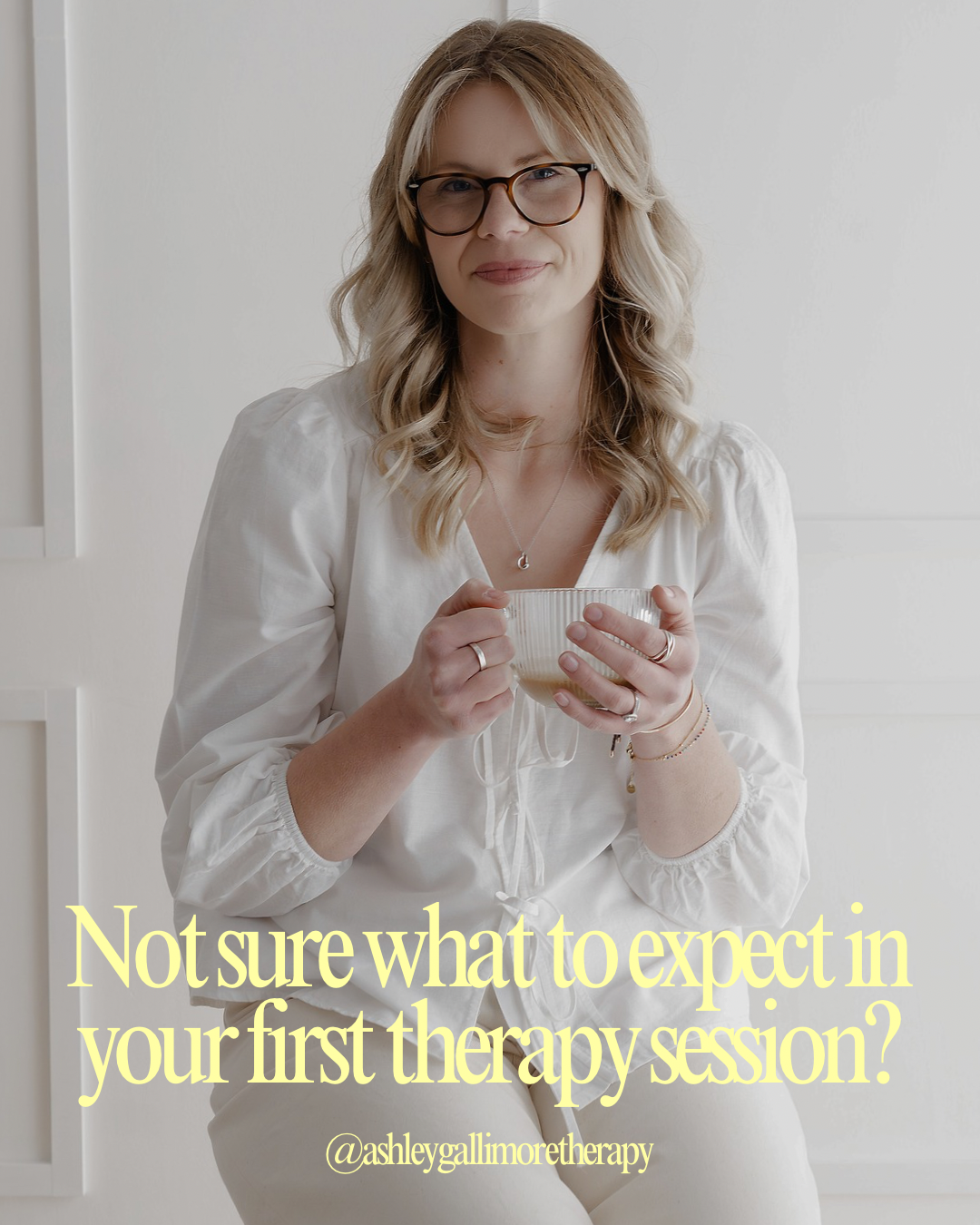
Maybe you’ve been thinking about reaching out to a therapist for a little while, or maybe you’re only just starting to wonder if therapy might help you. Either way, it can feel like a big deal to send that first email. Starting counselling can feel both terrifying and hopeful in equal measure, or maybe mostly terrifying, especially if you’re not sure what to expect. It’s really normal to feel nervous starting therapy. So to help that, I’ve written this blog, so you can have an idea of what might happen after you send that enquiry email.
Taking the first step
When I first hear from you, I’ll get back to you to arrange a time that suits you to have a no-strings-attached initial 30 minute consultation. This is free, and usually done via video call, and gives me a chance to find out a little about you, and for you to get to know me and how I work and ask me any questions you might have. If you feel like I’m a good fit for you after this session, then we will book you in for your first full session. I offer therapy at my office in Yeovil, or online via video call.
Your first session
Sometimes, people might worry that they won’t know what to say when they first come to therapy. Maybe they worry that they won’t have the right words, or that they’ll have too many words or that they won’t be able to speak at all. There is no right way to do therapy, and there is no “one size fits all” approach. Speak to me in your usual way, if this includes swearing, slang, or minimal words, this is all okay. If you want to talk to me about your day to day life, that’s great, if you want to tell me about your childhood, that’s great too. You can start wherever feels right for you.
Therapy is a bit weird, you come to me, a total stranger, and talk to me about things you might not feel comfortable telling your nearest and dearest. We can move at your pace and it’s okay to take some time getting to know each other.
So with all that in mind, what kind of things CAN you expect me to ask about in our first session?
I might ask what’s brought you to therapy.
I might ask what your day to day life looks like.
I might ask if there’s anything I can do to make therapy easier for you.
I might ask what you’re hoping to get from therapy.
I might ask about your support systems, e.g. family, friends, hobbies, etc.
We will also definitely talk about confidentiality, what this means, and what the limits to confidentiality are. We’ll talk about how I usually work, how long sessions are, how often we will meet and what you’d like me to do if we saw each other out and about (I can say hello, or I can not, it’s your choice!).
It’s okay to cry if you feel like crying, it’s also okay to not cry. Often people can think they have to be super serious all the time when in therapy, but therapy can be a place for humour, sarcasm, or playfulness too.
Building a therapeutic relationship
Research suggests that the most important factor for therapy being helpful is the therapeutic relationship between the therapist and the client. Feeling listened to, understood, and accepted can help to create the conditions needed for things to change for you.
I work in a collaborative way, this means that I am not doing therapy to you, but it’s a process we’re working through together. I can know all the theories in the world, but you’re the expert of your own experience and your experience is unique, so it wouldn’t really make sense if I was using a one-size-fits-all approach.
In my work with clients, I always strive to keep communication open. If you didn’t like a session, tell me; if you think I’m full of sh*t, tell me; if you found something particularly helpful, tell me. I want to make sure that your sessions feel useful for you and only you can assess how useful they feel.
Final thoughts
Just getting through the door is often the hardest part, and it can take a lot of courage to take that first step of reaching out. Nerves and uncertainty are really normal, but the one thing I often hear from my clients once they’ve started therapy is that they wish they’d reached out sooner.
Whatever has brought you to this point, you don’t have to figure it out on your own.
If you’re interested in exploring therapy, I work from my private practice in Yeovil, Somerset and online. Click here to get in touch, and we can arrange that initial no-strings-attached chat.